The demand for high-quality aluminium alloys continues to grow across South Africa’s automotive, construction, electrical, engineering, and manufacturing sectors. Aluminium alloys are valued for their excellent strength-to-weight ratio, corrosion resistance, durability, and versatility, making them essential for modern industrial applications.
To produce aluminium alloys that meet stringent industry standards, manufacturers require advanced production systems capable of maintaining precise control over melting, alloying, refining, and casting operations. This is where integrated aluminium alloy plants play a crucial role.
Dhanvanti Engineering Pvt. Ltd. specializes in designing and manufacturing turnkey aluminium alloy plants for businesses seeking reliable, energy-efficient, and high-performance production solutions. Our plants are engineered to deliver consistent metal quality, optimized operational efficiency, and long-term production reliability.
What Is an Aluminium Alloy Plant?
An aluminium alloy plant is a specialized facility that melts primary or recycled aluminium and combines it with alloying elements such as silicon, magnesium, copper, zinc, and manganese. The objective is to create aluminium alloys with specific mechanical and chemical properties tailored to industrial applications.
The final products are typically aluminium alloy ingots or billets that serve as raw materials for downstream industries including:
- Automotive manufacturing
- Die casting industries
- Aluminium extrusion plants
- Construction materials
- Electrical component manufacturers
- Engineering and fabrication companies
Why Aluminium Alloy Plants Are Important in South Africa
South Africa’s growing industrial sector has increased demand for high-quality aluminium products. Manufacturers are seeking efficient production methods that reduce costs while maintaining product consistency.
Modern aluminium alloy plants help businesses achieve:
- Improved alloy composition accuracy
- Higher metal recovery rates
- Reduced production costs
- Lower energy consumption
- Better product consistency
- Enhanced operational efficiency
- Sustainable use of recycled aluminium scrap
As industries increasingly adopt sustainable manufacturing practices, aluminium recycling and alloy production have become critical components of the circular economy.
Key Equipment Used in an Aluminium Alloy Plant
A successful aluminium alloy production facility requires seamless integration of multiple systems.
Aluminium Melting Furnaces
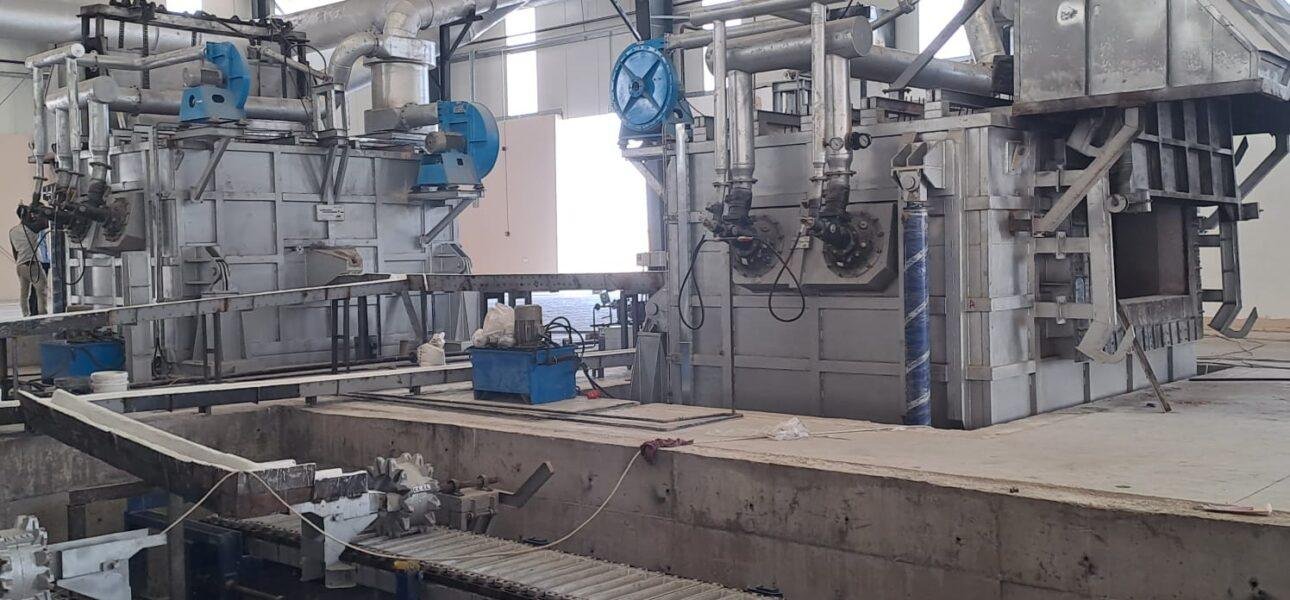
The melting furnace is the heart of the plant, responsible for efficiently melting aluminium scrap or primary aluminium while minimizing metal loss and energy consumption.
Alloying Systems
Alloying systems accurately add elements such as silicon, magnesium, copper, and zinc to achieve the required alloy grade and composition.
Degassing and Refining Units
These systems remove impurities and dissolved gases from molten aluminium, improving metal cleanliness and product quality.
Ingot Casting Conveyors
Casting conveyors transform molten alloy into uniform aluminium alloy ingots suitable for storage, transportation, and downstream processing.
Material Handling and Scrap Processing Systems
Efficient handling systems streamline plant operations, reduce labor requirements, and improve productivity.
Can Recycled Aluminium Scrap Be Used?
Yes. Recycled aluminium scrap is one of the most widely used raw materials in aluminium alloy production. Modern aluminium alloy plants are designed to process various grades of scrap while maintaining strict quality standards.
Benefits of using recycled aluminium include:
- Lower production costs
- Reduced carbon emissions
- Conservation of natural resources
- Improved sustainability
- Enhanced profitability
Through proper refining and alloying processes, recycled aluminium can produce high-quality alloys that meet demanding industrial specifications.
Why Process Control Matters in Aluminium Alloy Production
Consistent alloy quality depends on precise process control throughout the production cycle.
Advanced monitoring and automation systems help manufacturers control:
- Melting temperature
- Alloy composition
- Metal treatment processes
- Casting parameters
- Production efficiency
Effective process control reduces defects, minimizes metal loss, and ensures that every batch meets customer specifications.
Benefits of Turnkey Aluminium Alloy Plants
Choosing a turnkey aluminium alloy plant solution offers several advantages:
- Single-source project execution
- Optimized plant layout
- Reduced installation time
- Integrated production systems
- Lower operational costs
- Consistent product quality
- Simplified maintenance and support
A fully integrated approach ensures that all equipment works together efficiently, maximizing productivity and profitability.
Why Choose Dhanvanti Engineering Pvt. Ltd.?
Dhanvanti Engineering Pvt. Ltd. delivers customized turnkey aluminium alloy plants designed to meet the specific production requirements of manufacturers in South Africa and across global markets.
Our solutions combine advanced melting technology, precise alloying systems, efficient casting equipment, and intelligent automation to deliver:
- Consistent alloy quality
- Reliable production performance
- Energy-efficient operations
- Long-term operational reliability
Whether you are establishing a new aluminium alloy production facility or upgrading an existing plant, Dhanvanti Engineering provides complete engineering solutions tailored to your business goals.